

PEN Fault Detection: Enhancing Safety in EV Infrastructure
Modern charging systems depend on strong safety mechanisms that maintain performance in various environments. Safe power flow prevents internal and external damage caused by unexpected electrical changes. Reliable systems ensure users can charge smartly, preventing future damage and loss through unnoticed current discharge or imbalance.
Maintaining Electrical Balance
Proper current flow prevents uneven distribution and supports the overall performance of each circuit. A balanced system provides secure energy movement that shields connected components from harmful voltage overloads, impacting inner connections and sensors managed efficiently for reliability.
Importance of Grounding Systems
Grounding limits unsafe current leakage by redirecting excessive charge away from active parts. When charging setup stability improves, issues become noticeably reduced, ensuring secure operation for users performing daily tasks around energy frameworks, along with a level 3 charger at home throughout regular usage moments.
Understanding Earthing Techniques
Earthing manages hidden voltage shifts located beneath connected systems where unnoticed faults may develop. It supports a stable energy base through grounding conductors transmitting safe routes that protect internal junctions from temperature rise caused by elevated load points during charging hours.
Detecting Power Disturbances
Identifying abnormal signals instantly helps correct voltage shifts. Automation tools monitor waveform irregularities, ensuring supply status remains constant while reducing conductive metal stress across multiple links, actively powering regular charging sessions during consistent system checks, keeping user protection steady throughout the process.
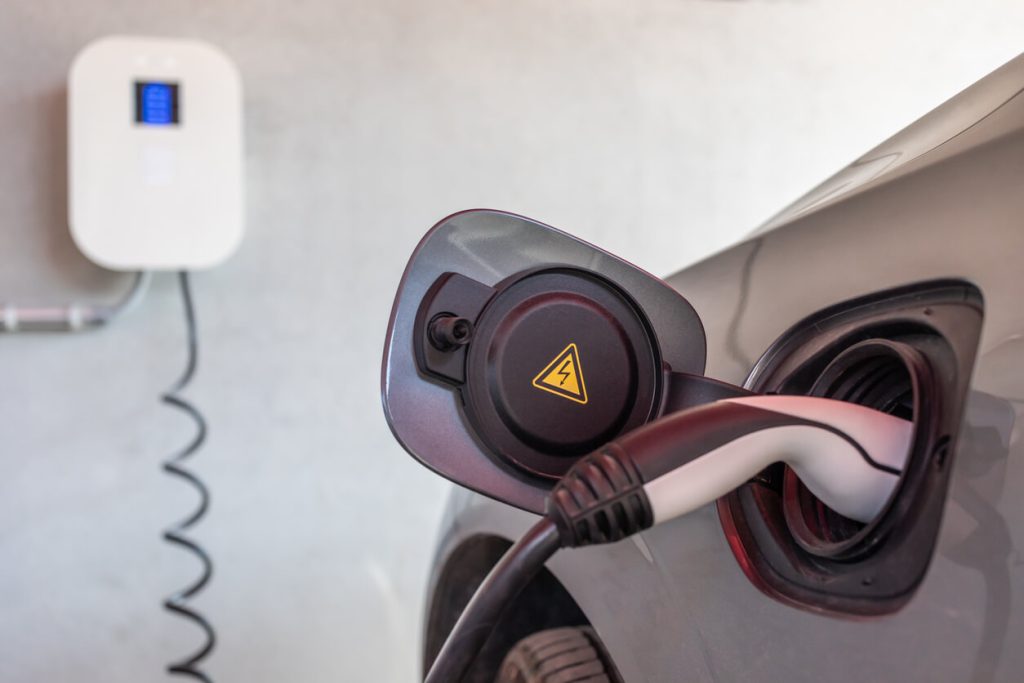
Role of Smart Sensors
Advanced sensors read surge activity and trigger quick actions that disconnect affected grids, maintaining safety control. They measure minute current transitions and secure all terminals by initiating automatic lock actions whenever unusual flow conditions appear, sustaining system balance properly without delay.
Essential Precautionary Measures
Power management practices reduce internal damage while sustaining secure current flow. Some key measures include:
- Ensure power connectors remain tightly fastened to prevent sparking during loading sessions across supply terminals.
- Inspect insulation at junction terminals frequently to maintain complete energy isolation, preventing minor leakage at roots.
- Use detection circuits aligned with regulatory measures, keeping balanced output through constant sequence tracking operations.
Reliable control methods build a strong barrier against unsafe electrical spikes and erratic voltage spread. Preventive supervision grants sustained safety and reliability while improving operational quality effectively through consistent usage managed carefully with a pen fault detection device, ensuring stable charging without unscheduled disruptions across energy management platforms.
FAQs
What causes an electrical imbalance?
Uneven current distribution through circuits can disrupt voltage movement, creating unstable power delivery across connected charging systems.
How can users improve charging safety?
Routine inspections, updated monitoring equipment, and properly grounded systems maintain smooth functionality for longer durations with minimal fault risks.
