

Environmental Impacts of Disposable Vape Waste and Sustainable Disposal Methods
Many communities now question how everyday consumption habits affect shared natural systems. Conversations about waste often overlook small devices that accumulate rapidly. This discussion connects daily choices with broader responsibility across cities. Environmental Impacts of Disposable Vape Waste and Sustainable Disposal Methods shapes understanding about hidden pollution sources. Products such as weed carts contribute to material buildup beyond visible landfills. Thoughtful handling practices can reduce harm through awareness driven community participation.
Hidden Costs of Disposable Materials
Single-use devices contain plastics, metals, and batteries that persist long after use. Their compact size hides long-term pollution consequences across soils and waterways. Collection systems rarely separate these mixed materials properly. Improper handling increases chemical leakage into surrounding ecosystems.
Pathways Toward Responsible Disposal
Community action can shift disposal habits through simple, practical guidance. Clear labeling and local programs support responsible handling practices.
- Public bins designed for electronics improve sorting accuracy dramatically.
- Local workshops teach safe separation of metals from plastics.
- Clear signage reduces confusion about hazardous material placement.
- Retail return programs encourage proper device recovery participation.
- School campaigns raise awareness about long-term environmental damage.
- Mobile collection units reach underserved neighborhoods weekly.
- Reward systems motivate consistent recycling behaviors effectively.
- Online maps show nearby certified disposal locations.
Material Breakdown and Ecological Strain
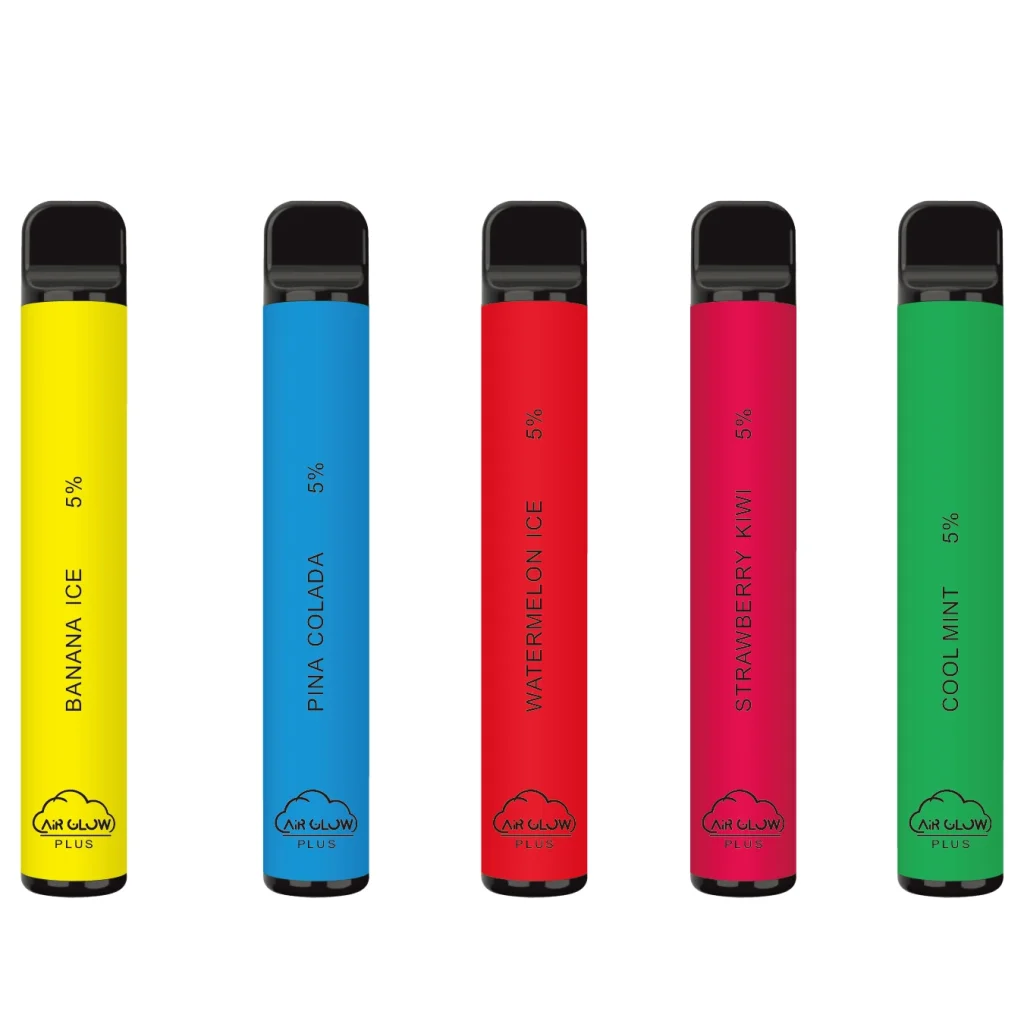
Disposable devices combine polymers, wiring, and chemical residues within tight shells. When discarded incorrectly, these parts fragment into micro debris. Wildlife can ingest particles mistakenly as food. Over time, habitats lose balance due to the accumulation.
Why Do Disposable Vapes Threaten Environmental Stability Today
Waste challenges from these devices extend beyond visual clutter. Plastics degrade slowly while releasing additives into water sources. Heavy metals migrate into soils, harming plant growth. Wildlife faces increased risk through ingestion or entanglement events.
Communities can respond through education and infrastructure improvements. Responsible handling reduces landfill pressure and resource extraction demand. Coordinated programs help redirect materials toward safer processing streams. Long-term stability grows from consistent participation rather than isolated efforts.
Community Education and Engagement
Clear information builds shared responsibility across diverse neighborhoods. Local leaders guide proper disposal habits through accessible workshops. Public discussions encourage thoughtful purchasing and handling decisions.
Recycling Innovations for Mixed Components
Modern recycling systems now manage composite materials more effectively. Facilities separate polymers, batteries, and metals through automated processes. Awareness about these systems improves participation rates. Responsible habits reduce waste flow from weed carts into landfills significantly.
Tracking Waste Management Performance
Monitoring disposal outcomes supports better environmental planning. Data collection highlights problem areas needing targeted interventions. Transparent reporting improves public trust and cooperation. Community partnerships strengthen long-term sustainability goals.
Cleaner Futures Through Thoughtful Choices
Small actions shape environmental outcomes across neighborhoods. Waste streams respond quickly to mindful disposal habits. Communities grow stronger through shared accountability practices.
